Introduction
We believe that optimizing a conveyor system begins with a deep understanding of the interaction between the belt, the idlers, and the material being transported. As a partner to global OEMs, we provide the technical data required to maximize throughput and minimize Total Cost of Ownership (TCO).
The Anatomy of a Conveyor System
A conveyor system is a closed-loop mechanical assembly designed to move bulk materials efficiently across horizontal or inclined planes.
Core Components:
The Belt: The traction element that carries the load.
The Drive Pulley: Provides the motive force through friction.
Idlers (Rollers): The critical support structure that maintains belt profile and minimizes rolling resistance.
Take-up Unit: Maintains the necessary tension to prevent belt slippage.
The Role of the Idler in System Efficiency
Idlers are the "unsung heroes" of the conveyor. While they consume a fraction of the initial capital expenditure, they account for a significant portion of the system's operational energy consumption.
Key Performance Metrics for Idlers:
TIR (Total Indicator Runout): How "round" the roller is. Lower TIR reduces vibration and belt wear.
Breakaway Torque: The force required to start the roller. Low-torque rollers (like Idlers Roller’s R&D series) significantly reduce the power required from the motor.
L10 Bearing Life: A statistical measure of the life of the bearing. Our research focus is extending L10 life in harsh mining environments through advanced sealing technology.
CEMA Standards and Classification
The Conveyor Equipment Manufacturers Association (CEMA) sets the global standards for idler design. Understanding these classifications is vital for OEM compatibility.
| CEMA Class | Typical Application | Load Capacity |
| Class B | Light Duty (Sand, Gravel) | Low |
| Class C | Medium Duty (General Manufacturing) | Moderate |
| Class D/E | Heavy Duty (Mining, Coal) | High |
| Class F | Extreme Duty (High Speed/High Load) | Very High |
Fundamental Physics: The Load & Tension Balance
The efficiency of a conveyor is governed by the relationship between belt tension (Te) and the resistance to movement.
Troughing Angle: Typically 20°, 35°, or 45°. A higher angle increases the volume of material transported but places higher stress on the belt's "transition zone."
Rolling Resistance: Our research focuses on minimizing the Indentation Rolling Resistance (IRR), which occurs as the belt deforms over the rollers. Reducing IRR can save large-scale mining operations millions in annual energy costs.
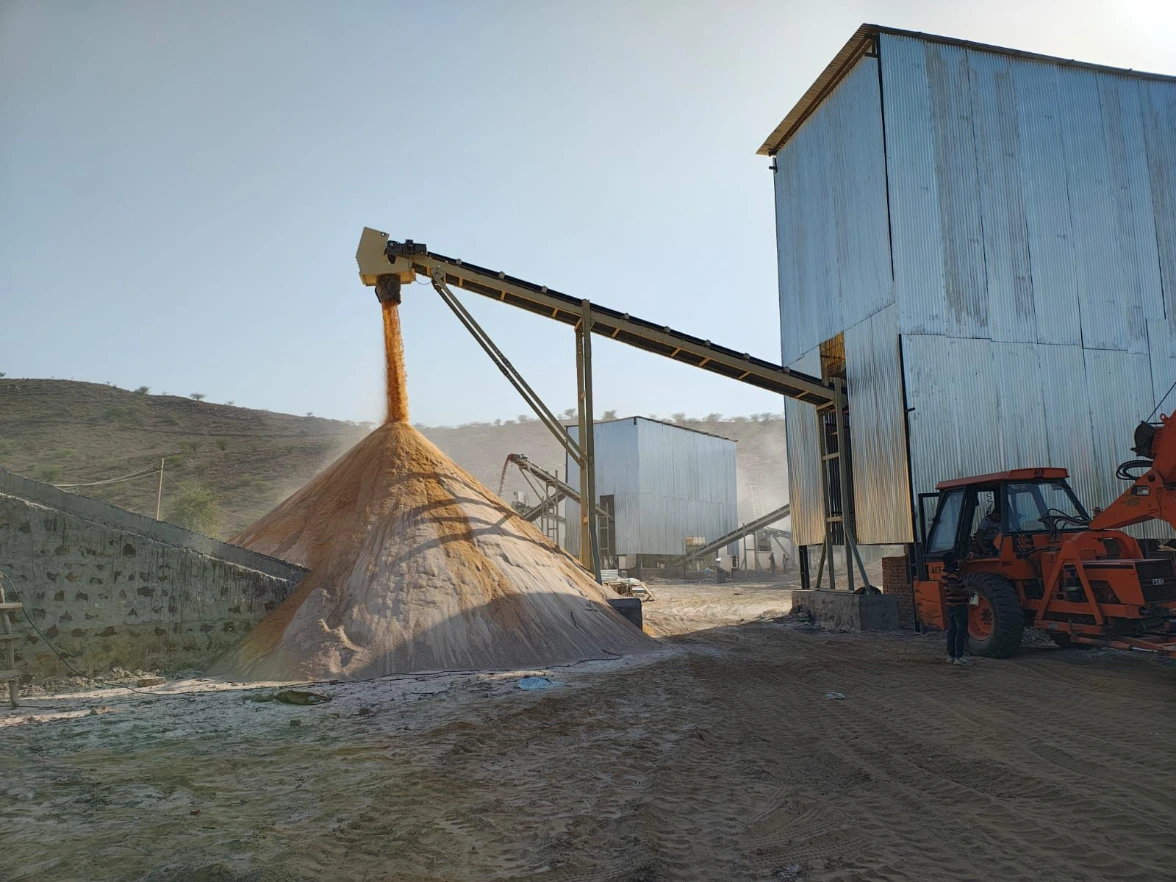
Why Research-Led Design Matters
Generic rollers fail because they do not account for the Environmental Variable. Idlers Roller utilizes high-fidelity simulation to test:
Corrosion Resistance: For chemical and coastal applications.
Thermal Expansion: For rollers operating in extreme climates (-40°C to +60°C).
Dynamic Balancing: To eliminate harmonic resonance in high-speed systems.
Expert Insight for OEMs: > "Selecting an idler based solely on initial cost is a common pitfall. A roller with a 15% lower breakaway torque can reduce system-wide power requirements by up to 5%, paying for itself within months of operation."
Technical Whitepaper